In brief
- Plasma 6.8.1 was released on October 20.
- It fixes problems with sleep mode, remote access and saving screenshots.
- Plasma is a desktop environment; update packages come from each distribution.
The patch focuses on everyday problems
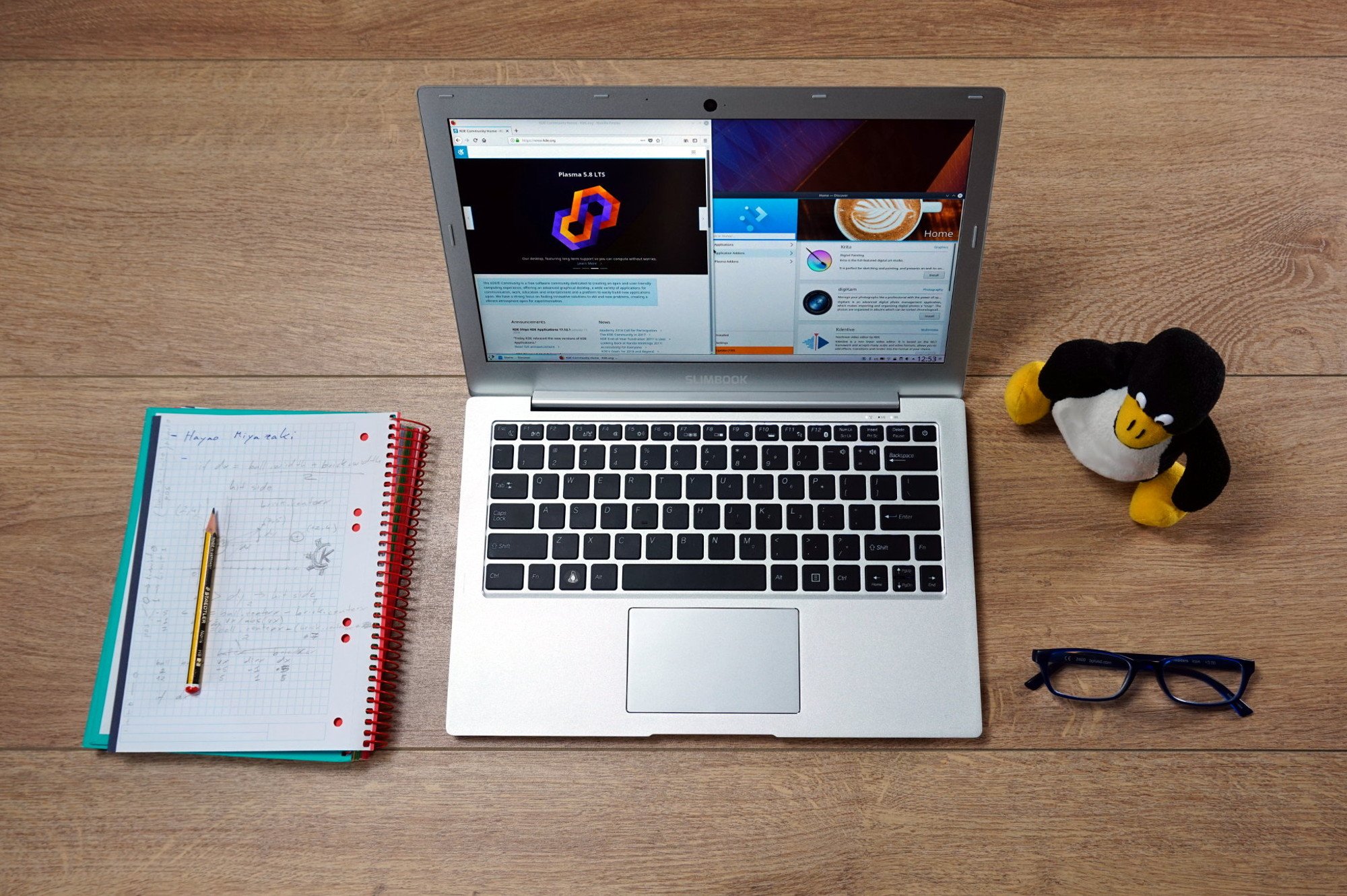
KDE released Plasma 6.8.1 on October 20, the first maintenance update in the new 6.8 series of its Linux desktop environment. It brings fixes and translations following the October 14 launch of Plasma 6.8, which marked the community’s 30th anniversary. The focus is on fixing everyday problems rather than adding another set of features.
The changelog includes fixes for putting a computer to sleep and turning off its displays beforehand. It also addresses cursor behavior, key-repeat behavior and certain setups with multiple GPUs. These changes are especially relevant to people who have already upgraded to 6.8 and use the desktop throughout their working day.
Remote access and screenshots
Remote access gets connection and authentication fixes for the Windows Remote Desktop client, along with a fix for TLS certificates that expired after just one day. In Spectacle, the screenshot tool, the update corrects where files are saved after using “Save As” and restores a default location if the previous folder no longer exists.
These fixes are separate from the features introduced in the main release. Plasma 6.8 had already added the ability to click by holding the pointer still, new options for sharing virtual screens and Spectacle recording with system and microphone audio. Those features are not new in 6.8.1: this update polishes what arrived last week.
Your distribution sets the schedule
Your distribution determines when you can install the update. KDE explicitly warns that its packages may not be available for every system at the time of the announcement. Users in Mexico should check their update manager and their distribution’s notices rather than assume everyone will receive the patch at once.
Plasma is a desktop environment, not a standalone operating system. The update makes sense for computers already using it; changing distributions just to get it would be a separate decision.
Sources and context
Sources used for this article. Follow the links to read the original material.
See the linked sources for more information. Corrections and contact →